



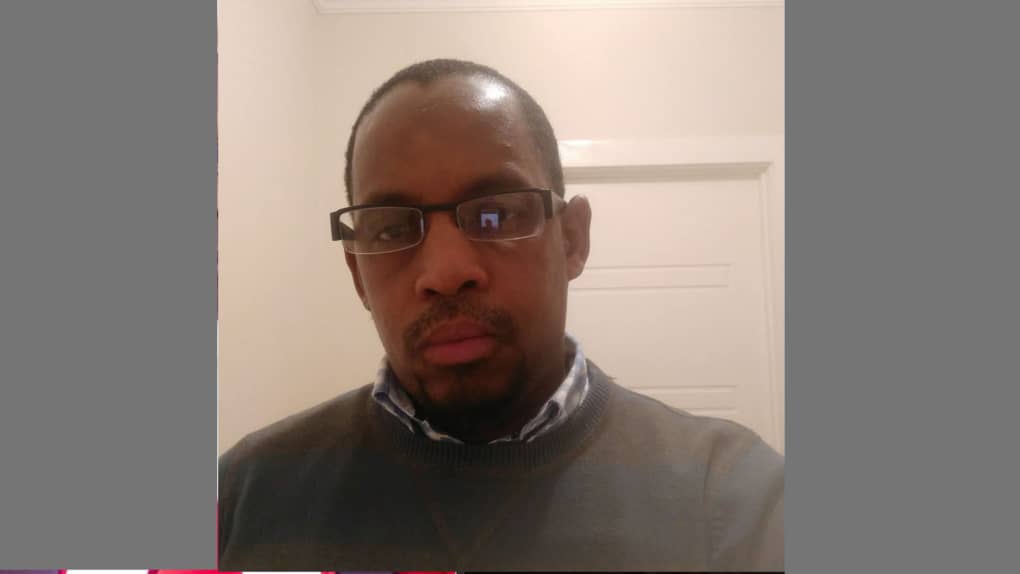
By Alpha Amadu Jalloh
Every generation in Sierra Leone inherits more than a nation. It inherits unresolved history, unfinished institutions, and promises deferred from one political season to the next. We inherit the memory of colonial rule, the trauma of a brutal civil war, the fragile hope of peace, and the repeated insistence that this time will be different. Yet too often, those entrusted with leadership behave as though the world they occupy belongs to them alone, as though authority once acquired must be held indefinitely. This belief has quietly shaped our national stagnation.
The truth is uncomfortable but necessary. We live in a world prepared by those before us. We are entrusted to maintain it responsibly in our time. And we are morally obligated to leave it stronger for those who come after. No generation owns Sierra Leone. Each only borrows it briefly. The measure of leadership is not how long power is retained, but how responsibly it is prepared for transfer.
Sierra Leone’s older generation carries a history that demands respect. Many lived through colonial domination, fought for independence, endured political repression, and survived a civil war that nearly erased the state itself. Their sacrifices preserved the possibility of a nation. That contribution must never be dismissed. But respect must not become immunity. Gratitude must not be converted into permanent entitlement. The world that was fought for was not meant to be monopolised by age or guarded by nostalgia.
The present generation inherited a fragile republic. Institutions weakened by decades of misrule. A political culture shaped more by loyalty than competence. A state that learned survival before it learned service. Instead of repairing these weaknesses, many chose comfort within them. Power became personalised. Governance became transactional. Renewal was postponed in the name of stability. In doing so, stewardship was replaced by control.
Maintaining the world does not mean preserving decay. It means strengthening institutions so they can outlive individuals. It means reforming systems without collapsing national cohesion. It means recognising when leadership has served its purpose and when continued dominance becomes obstruction. Sierra Leone’s failure has not been lack of intelligence or talent. It has been failure of transition.
The younger generation is not angry because it lacks patience. It is angry because it lacks access. Across Sierra Leone, young people are educated, connected, and politically aware. Yet leadership spaces remain closed. Political parties recycle the same figures decade after decade. Youth wings are mobilised for slogans, not decision making. Young professionals are praised rhetorically while excluded practically. Over time, hope hardens into frustration. Frustration turns into disengagement. Disengagement becomes migration.
This is the most sensitive question we refuse to confront honestly. How does leadership change without instability. How does authority shift without fear. How do we respect elders while allowing renewal. These are not abstract questions. They sit at the centre of Sierra Leone’s political paralysis.
For the older generation, stepping aside often feels like erasure. Authority becomes identity. Leadership becomes proof of relevance. Letting go feels like surrender. But leadership that refuses renewal destroys its own legacy. Wisdom matures into mentorship, not dominance. Elders should guide transition, not block it. Experience should prepare successors, not suffocate them. A generation that refuses to trust the next reveals insecurity, not strength.
The present generation carries a heavier burden. It knows the failures of the past, yet often repeats them. Many who once demanded reform became defenders of the same structures once they entered power. They replaced names but preserved systems. They spoke of change while practising continuity. Stewardship was sacrificed for survival. In doing so, they delayed the future rather than securing it.
The younger generation must also confront responsibility honestly. Renewal without preparation invites chaos. Reform without understanding risks repeating old mistakes in new language. Demanding inclusion must be matched by competence, discipline, and vision. Power is not compensation for exclusion. It is responsibility that requires restraint. A generation that seeks authority must also accept accountability.
Sierra Leone’s deepest problem is not corruption alone. It is generational blockage. Leadership renewal is treated as betrayal. Succession is personalised. Political parties become retirement shelters. Public institutions serve individuals rather than citizens. The result is predictable. Innovation stalls. Public trust erodes. The world becomes something to be controlled rather than nurtured.
Gratitude must exist across generations. The young must acknowledge the sacrifices that preserved the nation. The present must recognise both inherited wounds and future obligations. The old must appreciate the courage required to govern a world that has changed beyond their experience. Gratitude, however, must never be weaponised. Respect that forbids progress is not respect. It is fear disguised as tradition.
If Sierra Leone is to move forward, leadership renewal must become normal rather than threatening. Institutions must be stronger than individuals. Term limits must be respected in spirit, not manipulated in practice. Education must prepare citizens for participation, not obedience. Politics must return to service, not inheritance.
Every generation must accept the same truth. You are temporary. Your influence will fade. Your relevance will decline. This is not failure. It is continuity. The real failure is clinging to power so tightly that the future suffocates beneath you.
Making way is not weakness. It is leadership completed. Letting go is not loss. It is trust in the nation you helped shape and in those who must now carry it forward. Preparing the world, maintaining it responsibly, and releasing it with dignity is the highest service any generation can offer Sierra Leone.
If future Sierra Leoneans are to thank us, it will not be for how fiercely we defended our positions, but for how wisely we ensured the world was ready for them.