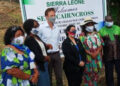





The Civil Society Movement–Sierra Leone (CSM-SL) and Grassroots Initiatives–Sierra Leone (GI-SL) have officially launched a nationwide campaign titled “Safer Roads Initiative: Promoting a Culture of Road Responsibility in Sierra Leone” under the theme “Safer Roads for All”.
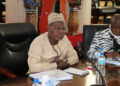
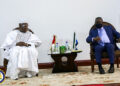
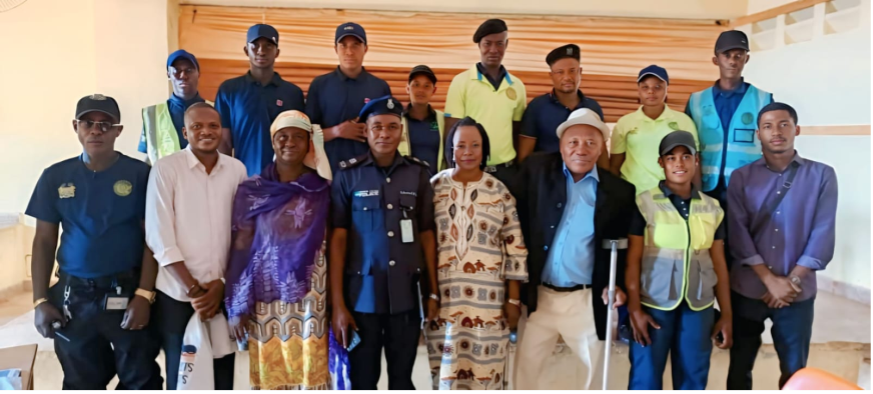
As part of the first phase of the campaign, representatives of the two organisations met on Tuesday, 5 May 2026, with the Information Officer of the Traffic Management Directorate of the Sierra Leone Police at the Sierra Leone Labour Congress headquarters in Freetown.
Also in attendance was the Traders Council–Sierra Leone, a consortium of trading organisations and associations that joined the partnership to strengthen advocacy and community engagement on road safety practices.
The meeting focused on identifying areas of collaboration aimed at improving road safety and ensuring the long-term sustainability of the initiative.
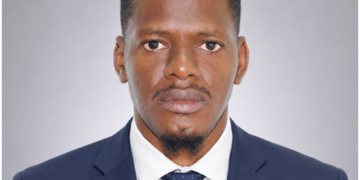
Speaking at the meeting, Head of Delegation and National Coordinator of CSM-SL, Juliet Anderson, provided an overview of the two partner organisations.
She recalled that the Civil Society Movement was established in 1998 with the involvement of several prominent activists and trade unionists, some of whom have since passed away.
According to her, the movement has continued to benefit from strategic partnerships with organisations including the Sierra Leone Labour Congress, the Sierra Leone Teachers Union, traders’ unions, and drivers’ associations.
She also highlighted the work of GI-SL, noting that the organisation is engaged in community empowerment and youth enterprise initiatives.
Anderson explained that the Safer Roads Initiative adopts a multi-sectoral approach comprising six components, including behaviour change communication, capacity building, infrastructure monitoring, and policy advocacy.
She stressed that the initiative seeks to collaborate with strategic stakeholders to promote road safety at a time when road accidents and fatalities continue to rise across the country.
She added that engaging key partners was the first step of the campaign, hence the meeting with the Traffic Management Directorate of the Sierra Leone Police.
Other prominent speakers at the meeting included Haja Marie Bob-Kandeh, Alhaji Abdul Gillen, Ibrahim Bangura, and Keifala Dabo. The speakers unanimously underscored the importance of strong collaboration with the Traffic Directorate of the Sierra Leone Police in achieving the aims and objectives of the initiative.
Speaking during the session, Haja Marie Bob-Kandeh highlighted the critical role of civic education in raising public awareness on road safety issues.
Alhaji Abdul Gillen, on his part, stressed the need for an effective nationwide campaign, driven in partnership with the Traffic Directorate of the Sierra Leone Police, to promote behavioural change among Okada riders. Representatives of the Traders Council also called on the police to address the growing practice of some drivers using sections of the Central Business District as garages while leaving abandoned and unused vehicles parked on roadsides for extended periods. They warned that such actions continue to pose serious hazards and increase the risk of road accidents.
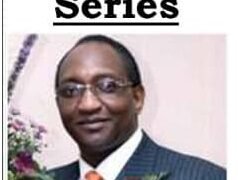
Representing the Traffic Management Directorate was Chief Inspector of Police Edward Kotor Kamara, who serves as the nationwide public relations officer on road safety issues.
Chief Inspector Kamara described road safety as a core mandate of the Directorate and welcomed the initiative, noting that such collaboration would help strengthen ongoing efforts to reduce accidents nationwide.
He outlined the major causes of road accidents, including human factors such as reckless driving, lack of caution, and disregard for traffic regulations; mechanical factors, particularly poor vehicle maintenance; and environmental factors such as poor road conditions.
He further emphasised what he described as the “three Es” in addressing road safety challenges — engagement, education, and enforcement.
Chief Inspector Kamara also disclosed that road accident offences recorded since last year were alarming, referencing global research indicating that road crashes account for a significant number of deaths worldwide, particularly in developing countries.
He highlighted the devastating impact of road accidents on governments, individuals, and families, adding that the Traffic Division currently operates 38 divisions across the country.
He revealed that the Directorate has developed a work plan focusing on three thematic areas: vehicle overloading, unlicensed and unregistered vehicles, and artificial vehicle decorations.
He further informed the gathering that since 2025, the Traffic Directorate, under the leadership of Commissioner of Police Abdul Moijueh, has maintained a stricter ban on commercial bike riders operating within the Central Business District.
According to him, the sustained enforcement effort has received widespread public commendation and continues to contribute significantly to easing traffic congestion within the Central Business District.
He assured the group that the Directorate remains committed to intensifying its nationwide road safety campaign and ensuring compliance with traffic regulations.
He concluded by reaffirming the Directorate’s commitment to supporting the partnership within its capacity and pledged continued collaboration with CSM-SL and GI-SL in advancing the Safer Roads Initiative across Sierra Leone.