



By Joseph S Conteh
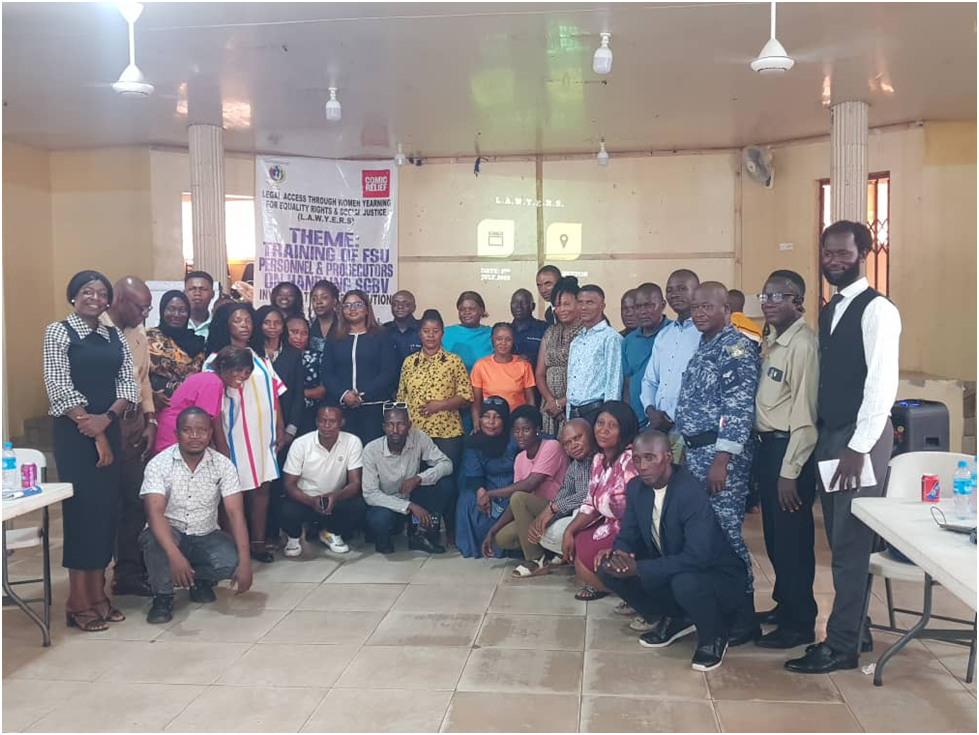
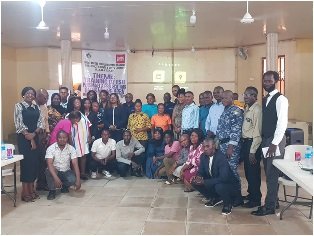
In a significant step toward improving justice delivery for survivors of sexual and gender-based violence (SGBV), the organization L.A.W.Y.E.R.S (Legal Access Through Women Yearning for Equality, Rights, and Social Justice) conducted a specialized training session for Family Support Unit (FSU) personnel and prosecutors on July 2nd, 2026, at Buxton Memorial Hall in Freetown.
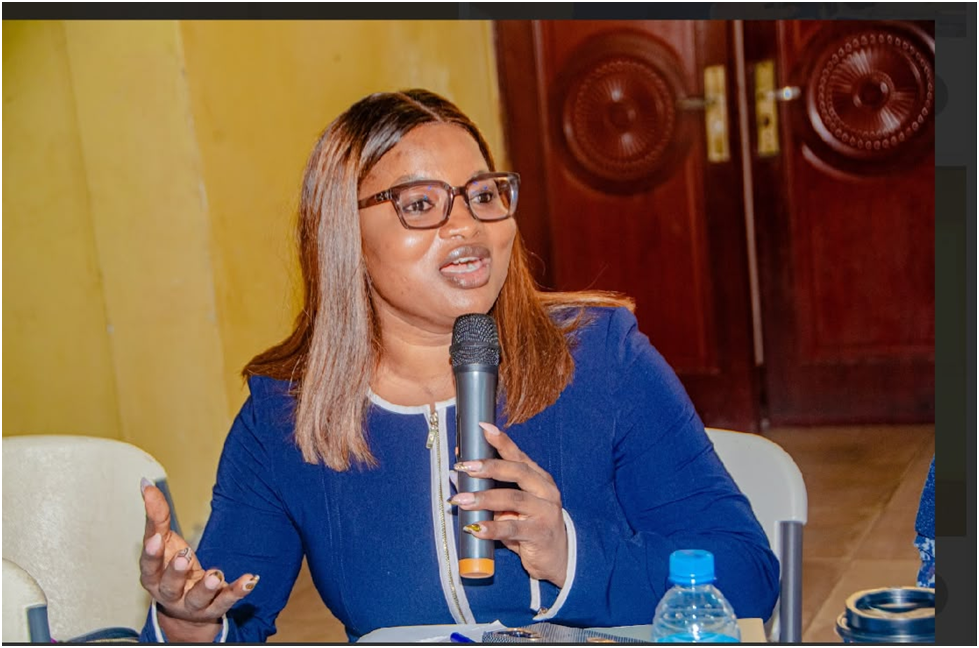
President of LAWYERS
The comprehensive training brought together FSU officers and prosecutors from four districts – Kailahun, Kambia, Koinadugu, and Moyamba – to enhance their investigation and prosecution techniques in handling sensitive SGBV cases.
In attendance at the training was the President/Chairperson of L.A.W.Y.E.R.S. Menisa Sesay Esq who has affirmed her commitment and unwavering support in the fight against SGBV.
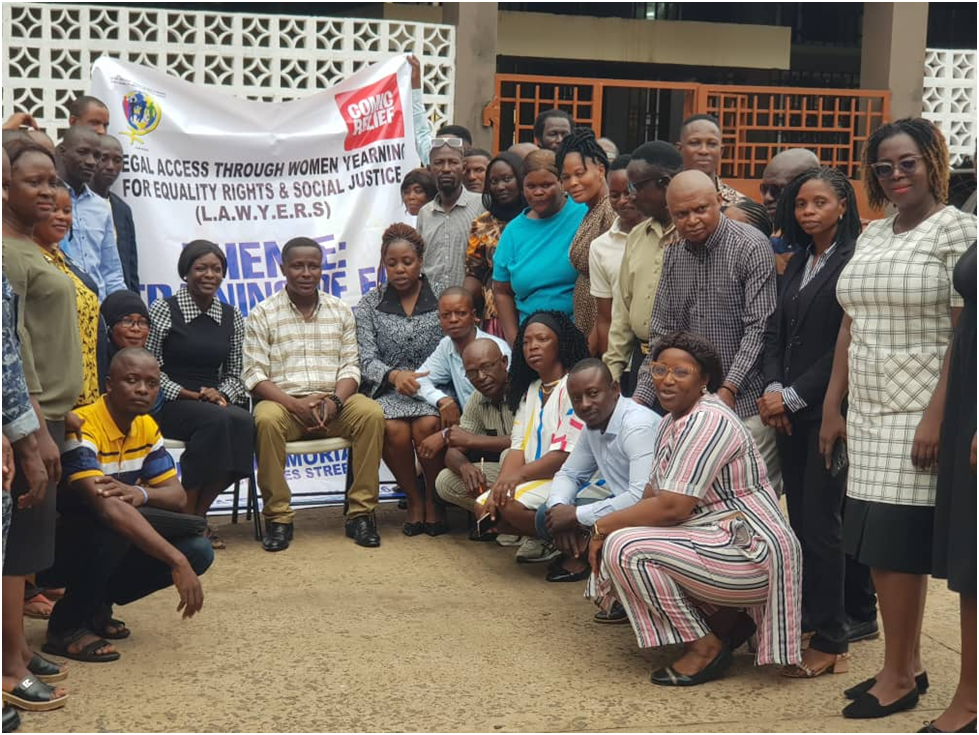
Superintendent Mohamed S.Y. Mansaray, Head of the FSU, acknowledged the complexities involved in investigating sexual offenses while calling on participants to unite in their commitment to improving case handling procedures. “We must put aside our differences and work collectively to ensure justice is served fairly and effectively,” Mansaray stated.
According to Program Manager Reglotte S. Decker Esq , the training forms part of a broader initiative aimed at improving access to justice, legal representation, and advice for vulnerable women and girls across Sierra Leone sponsored by COMIC RELIEF. “Our goal is to create a more robust investigation and prosecution process that not only serves survivors but strengthens our entire community’s response to gender-based violence,” Decker explained.
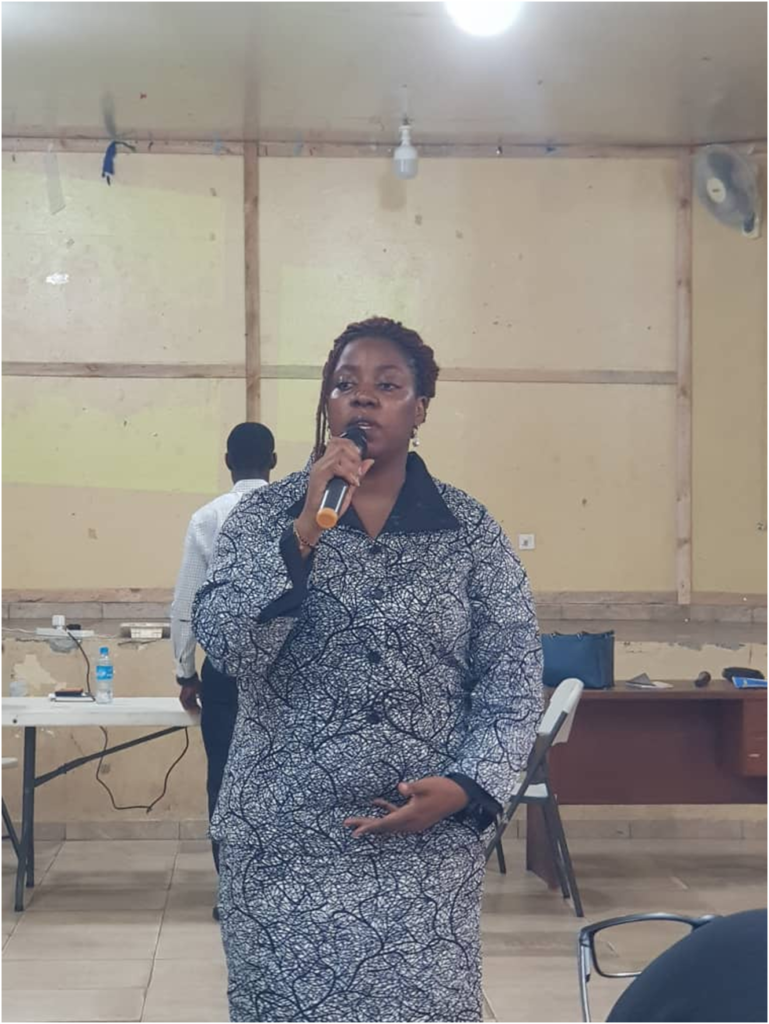
A key challenge addressed during the training was the accessibility of Sierra Leone’s legal framework protecting women and girls. While the country has enacted progressive legislation including the Domestic Violence Act, Sexual Offences Act, and Child Rights Act, these laws remain largely inaccessible to ordinary citizens due to complex legal language and limited awareness, particularly in rural communities with lower literacy rates.
“This is precisely why we’ve extended this training to provincial areas,” noted one organizer. “We need officers who can effectively disseminate legal information and implement these laws at the grassroots level.”
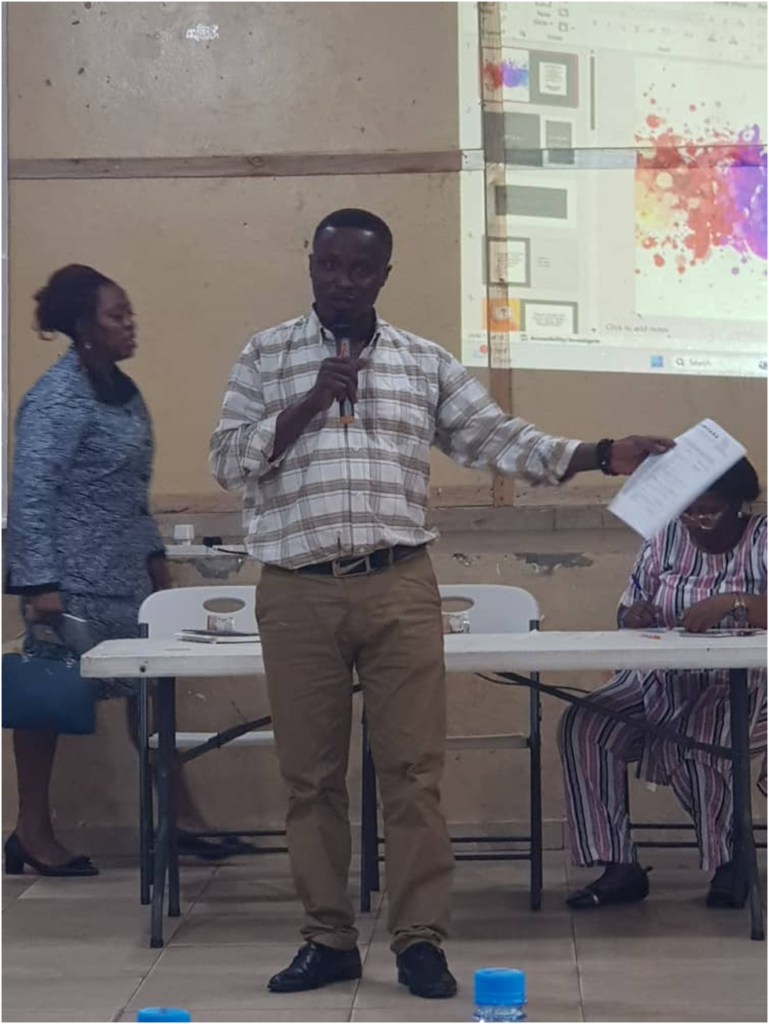
Facilitator Vivienne E.A. Kabia Esq, a senior state prosecutor at Law Officers’ Department delivered comprehensive sessions on understanding SGBV’s far-reaching impacts on survivors, families, communities, and national development. She emphasized the crucial link between quality investigation judiciary outcomes, stating, “A strong investigation builds a strong prosecution; a weak investigation weakens justice. Every survivor who walks through our doors deserves to be treated with professionalism, dignity, and respect throughout their journey to justice.”
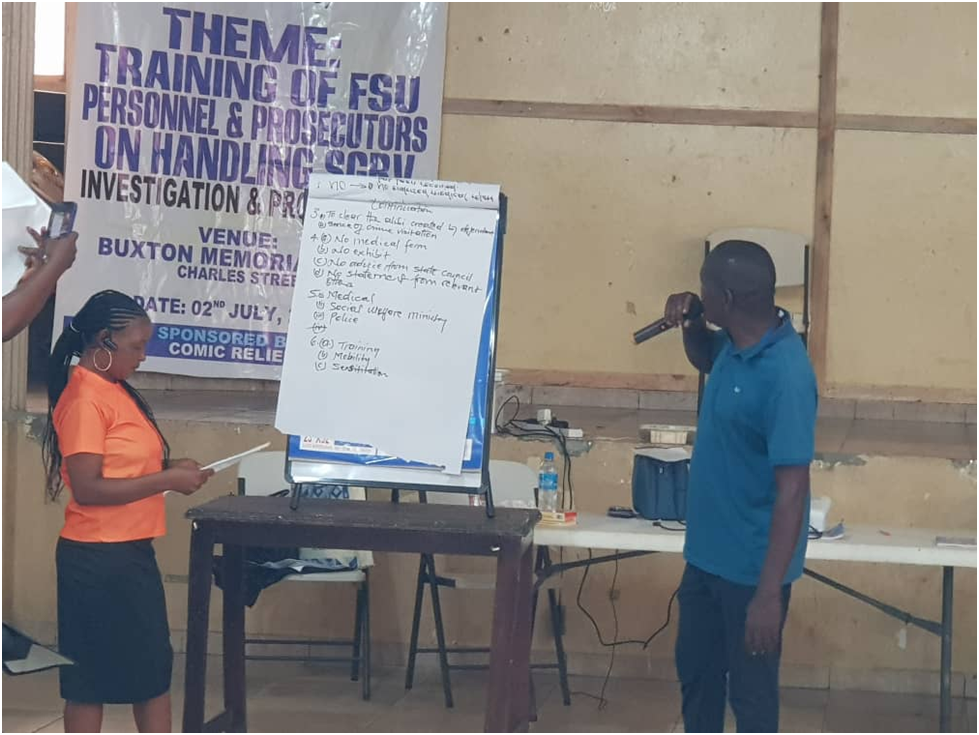
The training incorporated interactive group presentations where participants analyzed common failure points in SGBV cases, collaboratively identifying gaps in the current system and proposing practical solutions.
As the session concluded, participants pledged to apply their enhanced skills with renewed dedication to investigating and prosecuting SGBV cases. This commitment represents a vital step forward in Sierra Leone’s ongoing efforts to combat gender-based violence and ensure equitable justice for all citizens.