


…The People Must Not Be Spectators in Their Own Democracy
By: The Gadfly—Challenging ideas, questioning power, and promoting democratic dialogue
Every country reaches moments when it must ask itself difficult questions about its future. For Sierra Leone, the ongoing constitutional debate is one of those moments.
The question before us is not simply whether some sections of the 1991 Constitution should be amended. The deeper question is whether the Constitution that has guided the country for more than three decades still reflects the aspirations, realities and democratic expectations of Sierra Leoneans today.
This conversation is too important to be left only to politicians, lawyers and government officials. The Constitution is not a document belonging to political parties. It is the agreement that defines the relationship between citizens and the state. It determines how leaders exercise power, how institutions function and how citizens can hold those in authority accountable.
Therefore, the process through which constitutional change happens matters as much as the changes themselves.
At present, however, there are growing concerns that Sierra Leone’s constitutional debate risks becoming less of a national conversation and more of a negotiation between political elites, particularly the two dominant political parties—the All People’s Congress (APC) and the Sierra Leone People’s Party (SLPP).
The issue is not that political parties are involved. They must be involved. They represent important voices within a democracy. The concern is that constitutional reform should not become a competition over what arrangements are most beneficial to those currently seeking or holding political power.
A Constitution must serve those in government today, those who will govern tomorrow, and most importantly, citizens who may never hold political office.
A Constitution Cannot Be Designed Only by Those Who Benefit From It
The current debate raises a fundamental question: who should lead Sierra Leone’s constitutional review process?
The involvement of the Attorney General and Minister of Justice, as well as Parliament, is understandable. Constitutional reform requires legal expertise and legislative involvement. However, there is a broader democratic concern: should institutions operating under the existing constitutional framework be the primary drivers of a process meant to review and potentially transform that same framework?
This is not a question of questioning the intentions of individuals or institutions. It is a question about public confidence.
When those who currently exercise political authority take the leading role in determining the future rules of political power, citizens may naturally wonder whether the process is designed around national interest or institutional preservation.
For this reason, Sierra Leone should consider establishing an independent constitutional review body with a clear mandate to manage consultations, gather citizens’ views and facilitate national dialogue.
Such a body would not replace Parliament or government. Instead, it would provide a trusted platform where all voices can be heard on equal terms.
Those who hold power should participate in shaping the country’s future—but they should not be the only ones defining it.
The Danger of Reducing Constitutional Reform to APC and SLPP Negotiations
Sierra Leone’s political history has largely been shaped by competition between the APC and SLPP. Their participation in constitutional reform is therefore unavoidable.
However, Sierra Leone is more than its two largest political parties.
There are smaller political parties, civil society organisations, traditional leaders, youth groups, women’s organisations, professional bodies and millions of citizens who do not belong to any political party but whose lives are directly affected by constitutional arrangements.
Their voices must not become an afterthought.
The danger of a party-centred constitutional process is that reforms may focus mainly on resolving disagreements between political competitors rather than addressing the deeper challenges facing Sierra Leone’s democracy.
A constitution should not be shaped around the interests of those currently competing for State House. It should create fair and accountable institutions regardless of who wins elections.
The important questions are not only:
Who controls executive power?
Who benefits from electoral rules?
Who gains political advantage?
The bigger questions are:
How do we ensure that power is accountable?
How do we protect independent institutions?
How do we strengthen citizens’ participation?
How do we create a democratic system that works even when political leaders change?
These are questions that belong to the entire nation.
The Method of Constitutional Review Matters
Another important issue that deserves attention is the methodology being used.
Constitutional reform is not simply about identifying sections of the Constitution that need to be changed. It is about understanding the relationship between citizens and the State.
Before deciding what should change, Sierra Leone must first ask: what problems are we trying to solve?
Are citizens satisfied with how public institutions operate?
Do communities believe their voices are heard?
Are accountability institutions sufficiently independent?
Does the current constitutional arrangement provide adequate protection against the misuse of power?
Without answering these questions, constitutional reform risks becoming a response to political disagreements rather than a solution to long-term governance challenges.
A constitution should not be changed simply because political actors have reached an agreement. It should be changed because citizens have identified weaknesses that require correction.
Consultation Is Not the Same as Participation
One of the biggest challenges in constitutional processes is confusing consultation with genuine participation.
A government or committee can hold meetings, collect submissions and organise public forums. But participation requires more than asking citizens for their opinions. It requires citizens to have meaningful influence over the outcome.
The voices of people in rural communities must matter as much as those in Freetown. The opinions of young people, women, persons with disabilities, traditional leaders and ordinary citizens must carry weight alongside those of political leaders and legal experts.
The question should not only be:
“Were citizens consulted?”
The more important question is:
“Did citizens shape the direction of constitutional change?”
A constitution gains legitimacy when people feel that they helped create it.
Lessons From Other African Countries
Sierra Leone is not alone in facing constitutional questions.
Across Africa, countries have taken different paths when renewing their constitutional systems. South Africa developed a new constitutional order through negotiations, extensive public participation and a Constitutional Assembly. Kenya’s 2010 Constitution emerged after years of public debate, consultations and a referendum. Ghana’s 1992 Constitution followed consultations through a Consultative Assembly and was approved by citizens.
The experiences of these countries are different, but they share a common lesson: constitutional legitimacy comes from public ownership.
Africa’s democratic frameworks, including the African Charter on Democracy, Elections and Governance, emphasise constitutionalism, citizen participation and democratic governance.
There is no single formula for constitutional reform, but one principle remains clear: citizens must not be treated as spectators in decisions about the future of their democracy.
Political Agreement Is Not the Same as Public Ownership
The Tripartite Committee’s work following the tensions surrounding the 2023 elections represents an important attempt to rebuild political trust. Dialogue between political actors is necessary in any democracy.
However, political agreement among parties cannot replace the authority of citizens.
Political parties negotiate based on their interests and political realities. Constitutions must serve beyond those immediate interests. They must protect citizens even when governments change, and political circumstances shift.
A constitutional settlement that emerges only from elite agreement may be legally valid, but it may struggle to gain the public trust required for long-term stability.
A Chance to Build a Constitution Owned by Sierra Leoneans
If Sierra Leone is serious about constitutional renewal, the process must be built on independence, inclusion and transparency.
The country should establish a mechanism that allows all Sierra Leoneans to participate meaningfully in shaping the future constitutional order.
Political parties must have a voice. Parliament must have a role. Government institutions must provide support.
But ultimately, the Constitution belongs to the people.
The greatest danger is not disagreement. Democracy depends on debate and competing ideas. The greater danger is allowing constitutional reform to become another political negotiation where citizens watch from the sidelines.
History will not judge Sierra Leone only by the amendments it makes. It will judge whether this generation created a constitutional process that strengthened democracy, increased public trust and reaffirmed the most important democratic principle:
that sovereignty belongs to the people.
The future of Sierra Leone’s Constitution must therefore not be decided only in Parliament or political party meetings.
It must begin with the voices of the people whose lives it governs.
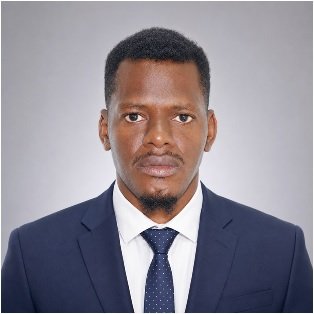
About the Author: Ibrahim Sanda Barrie is a polymathic researcher, peacebuilding savant, perspicacious writer, governance theorist, indefatigable advocate, and institutional reformist.