

Sierra Leone is facing what education authorities describe as a serious English language performance crisis following the 2025 West African Senior School Certificate Examination (WASSCE) results, which showed a sharp drop in pass rates.
English Language, seen as a key subject for higher education, employment, and national participation, has now become the centre of urgent education reforms across the country.
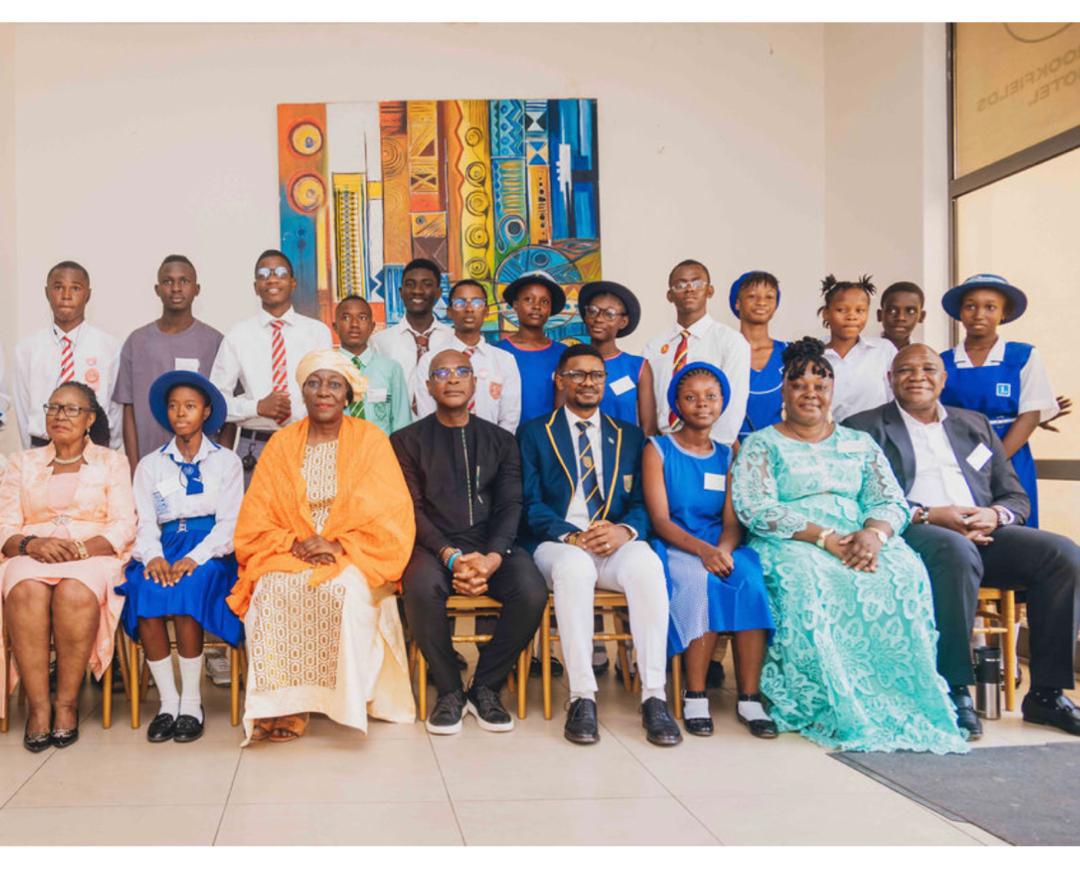
In response, the Ministry of Basic and Senior Secondary Education (MBSSE) held a two-day National Consultative Conference at the New Brookfields Hotel in Freetown from 30th to 31st March 2026. The meeting brought together education stakeholders to develop solutions to the growing challenge.
Under the theme “The English Language Performance Crisis: Addressing the Issues Impacting National Development,” the conference produced a national roadmap aimed at improving literacy and reversing the decline in results.
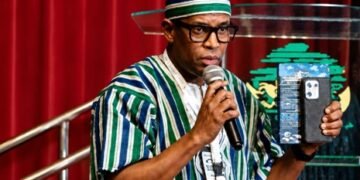
Education Minister Conrad Sackey described the situation as a “foundational wound” but said it also presents an opportunity for reform. He stressed that education remains central to President Julius Maada Bio’s Human Capital Development agenda.
He added that government is not ignoring the results but is instead using them as a basis for action and reform.
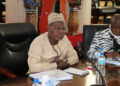
The conference included Paramount Chiefs, officials from the Ministry of Technical and Higher Education, WAEC representatives, teachers, students, and development partners. WAEC data revealed major regional disparities, with some districts recording very low pass rates, highlighting the need for targeted intervention.
Discussions also revealed deeper concerns, including poor early-grade literacy. A 2014 study showing that most Primary 2 pupils could not identify basic letter sounds was cited as evidence that the problem begins at the foundation level.
The Ministry reaffirmed its commitment to the Free Quality School Education programme, which aims to strengthen early learning and improve literacy outcomes nationwide.
The agreed roadmap focuses on five key areas: data-driven reforms, remedial support for students, higher education entry adjustments, teacher training, and stronger monitoring systems.
One key proposal is support for students who passed other subjects but failed English in the 2025 exams. Working with the Ministry of Technical and Higher Education, plans are underway to allow them access to tertiary education while receiving remedial English support.
Minister Sackey said the reforms are not about excuses but about taking responsibility and rebuilding the system.
Private sector partners, including HCD Plus, UBA, and the Orange Foundation, are also supporting the initiative through digital learning tools, after-school programmes, and teacher training support.
These partnerships are aimed at strengthening literacy skills and ensuring wider access to quality English education across the country.
Authorities say the new roadmap marks a turning point in Sierra Leone’s education sector, turning a national challenge into a long-term reform agenda focused on improving standards and student outcomes.