



By Millicent Obries-Mansaray
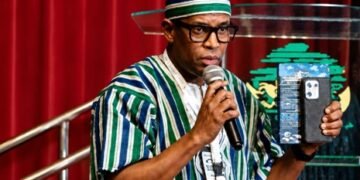
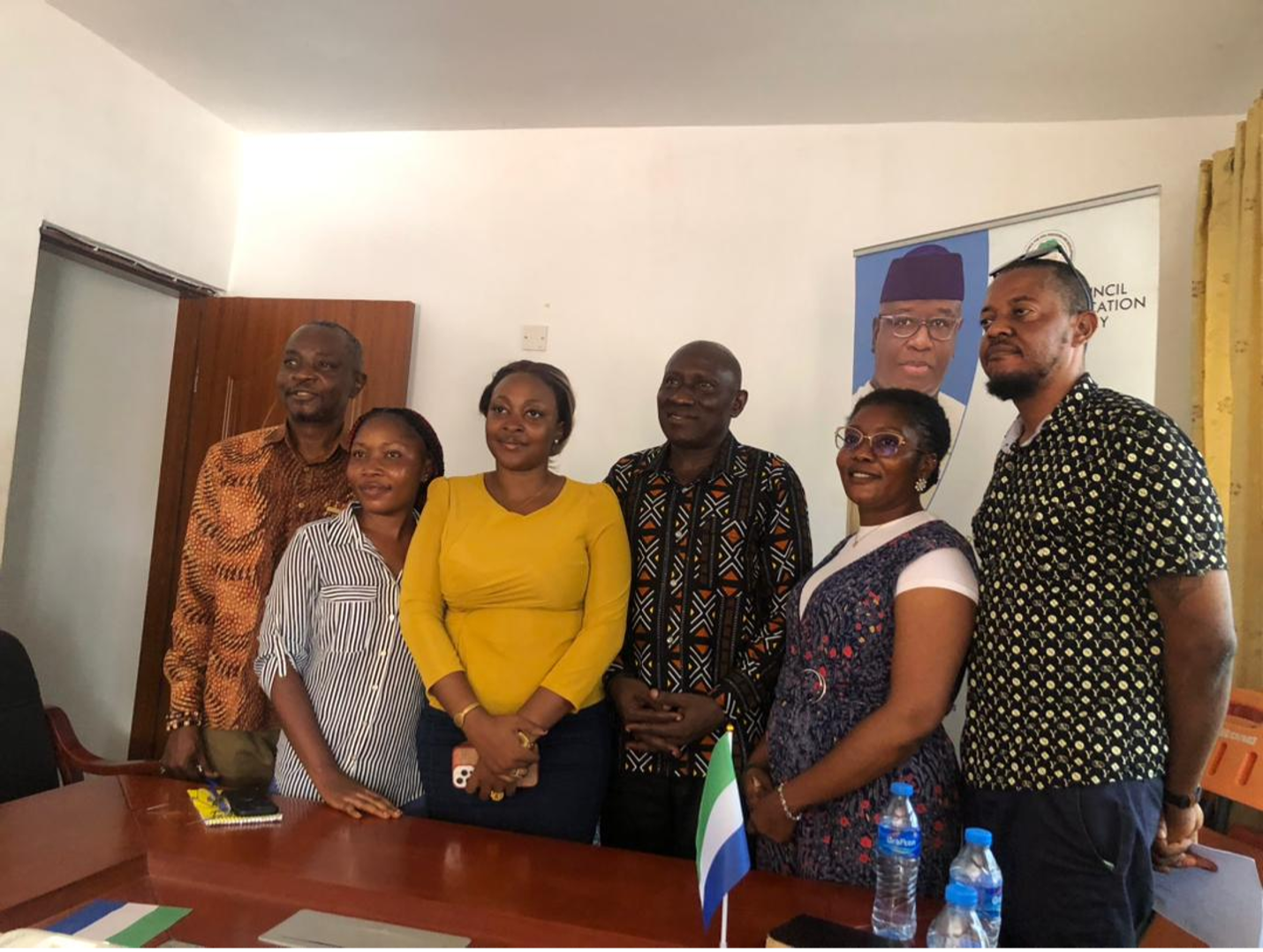
The National Council for Civic Education and Development (NaCCED) has held a press briefing to commemorate Open Government Partnership (OGP) Week 2026, observed from May 18 to May 22. The briefing took place on Wednesday, May 21, 2026, at the Commission’s conference room in Freetown.
Speaking during the briefing, NaCCED officials highlighted a series of activities and reforms aimed at strengthening civic engagement, transparency, accountability, and public participation in governance.
Giving an overview of NaCCED, the media officer, Zulaikatu, explained that the institution is responsible for civic education and works closely with Civil Society Organisations (CSOs), ministries, departments, and agencies (MDAs) to promote accountability and good governance through the Open Government Partnership framework.
The director of administration at NaCCED, Mr Kobie, stated that the commission has been preparing for the celebration of OGP Week for a long time and wants the media to remain actively engaged in informing the public.
He noted that NaCCED was established in 2018 by President Julius Maada Bio to educate citizens about their civic responsibilities and national development.
He emphasised that the Commission seeks to unite citizens, irrespective of political affiliation, and help them understand government processes, their responsibilities as citizens, and the role of institutions in national development.
Chairman of NaCCED, Mr Joseph Munda Bindi, explained that the commission has consistently worked with the media in promoting the objectives of the Open Government Partnership. He described civic education as a vital tool for promoting nationalism, patriotism, and peaceful coexistence among Sierra Leoneans.
According to Mr Bindi, civic education is not only about formal schooling but also about shaping attitudes, behaviour, and respect for societal values. He reflected on how civic education was actively taught in Sierra Leone during the 1960s, 1970s, and early 1980s but gradually declined during and after the civil war.
He stressed that civic education teaches citizens how to live peacefully together regardless of tribe, region, or background, adding that patriotism and love for country are necessary ingredients for national development.
Mr Bindi further explained that the Open Government Partnership is a global platform that promotes transparency, accountability, and citizen participation in governance. He noted that OGP creates a bridge between governments and citizens by bringing together civil society organisations and government institutions to discuss reforms that improve the lives of citizens.
He disclosed that OGP was established in 2011 on the principle that governments exist to serve the people and not the other way around. Since its establishment, the initiative has grown into a global movement involving over 70 countries, more than 150 local authorities, and thousands of civil society organisations worldwide.
Speaking on Sierra Leone’s participation, Mr Bindi said the country joined OGP in 2013 after meeting the required criteria. He noted that Sierra Leone is currently implementing its Fifth National Action Plan under the OGP framework, with six ministries, departments, and agencies making commitments aimed at improving governance and service delivery.
Among the reforms highlighted is the commitment by Parliament to promote openness and public participation in its oversight functions. He added that stronger collaboration between Parliament and civil society organisations has enhanced citizens’ access to parliamentary proceedings and governance information.
Mr Bindi concluded by stating that Sierra Leone’s Parliament is now taking a leading role in the Open Government Partnership movement in Africa. He said this year’s celebration focuses on how OGP can better support government efforts to effectively serve the people and promote national development.