







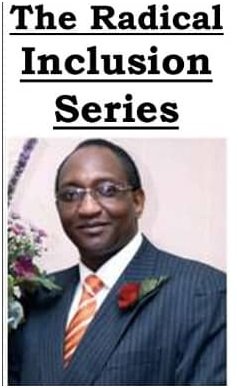
By Dr Columba Michael Joe Blango
Advocate for Democratic Reform, Social Justice, Radical Inclusion, Community Development Practitioner, and Commentator on Governance and Youth Empowerment in Sierra Leone.
As Sierra Leone continues to consolidate its democratic journey, political analysts are increasingly asking whether the country could benefit from a credible centre-left political party, not as an ideological experiment, but as a practical response to persistent social and economic challenges.
Supporters of the idea argue that such a party could help refocus national politics away from personality-driven competition and towards policies that directly affect the lives of ordinary citizens.
Tackling Inequality and Social Justice: Sierra Leone remains marked by deep socioeconomic divides, including those between rural and urban communities, political elites and ordinary citizens, and the formal and informal economies. A centre-left political party, observers suggest, would place social justice at the heart of its agenda, prioritising universal access to quality education, stronger public healthcare systems, workers’ rights, and social protection for the most vulnerable.
Advocates believe this approach could help shift political debate from patronage networks to people-centred policymaking.
An Economy with a Human Focus:
Rather than advocating heavy state control, centre-left economic thinking typically supports regulated markets, fair taxation, investment in local industries, and the empowerment of small farmers and businesses. In the Sierra Leonean context, such policies could strike a balance between economic growth and equity, promoting long-term national development rather than short-term gains.
Deepening Democratic Accountability:
Introducing a clear ideological alternative could also strengthen democracy itself. Analysts argue that policy-driven competition encourages issue-based debate, reduces ethnic and regional polarisation, and offers voters meaningful choices. When parties are defined by what they propose rather than who they represent, politics becomes more inclusive and forward-looking.
Giving Youth and Workers a Voice:
With young people forming most of Sierra Leone’s population, yet remaining under-represented politically, a centre-left platform could resonate strongly with students, teachers, healthcare workers, traders, and the unemployed or under-employed. This demographic represents a vast constituency whose concerns about education and jobs often struggle to gain sustained political attention.
Environment, Communities, and Inclusion.
Modern centre-left politics also emphasises climate resilience, community development, anti-corruption, and the inclusion of women and marginalised groups.
For Sierra Leone, facing deforestation, mining pressures, flooding, and economic vulnerability, these priorities are increasingly seen as essential rather than optional.
The Central Challenge:
However, analysts caution that ideology alone will not guarantee success. Any new centre-left movement would need to demonstrate integrity, grassroots support, technical competence, and a clear break from tribal or regional branding. Without practical solutions and credible leadership, it risks becoming just another political vehicle rather than a genuine force for change.
A Question of Need, Not Labels:
In the end, proponents argue that the case for a centre-left political party is less about whether “left” politics is superior, and more about whether Sierra Leone’s political system adequately delivers justice, equality, fair economic opportunity, strong social services, and genuine accountability.
If such a party can meet those needs, it could play a significant role in shaping a healthier, more modern political landscape — one that places ordinary people at its centre.