


Civil Society Movement–Sierra Leone (CSM-SL) and Grassroots Initiative–Sierra Leone (GI-SL) have convened a broad coalition of civil society organisations to strengthen collaboration on road safety under the ongoing Safer Roads Initiative (Road Safety for All) campaign.
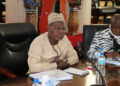
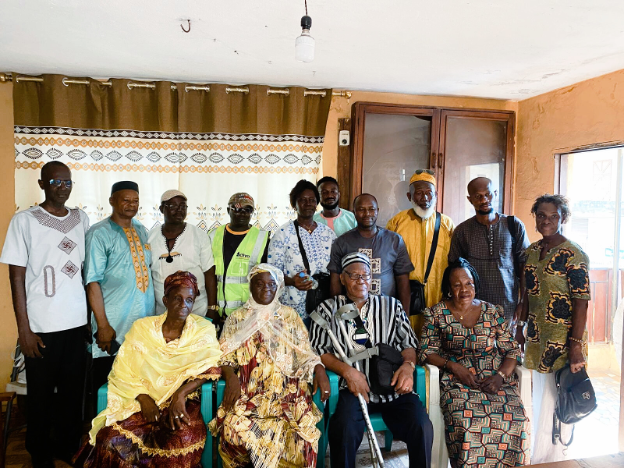
The stakeholder dialogue, held on Friday, 22 May at the CSM-SL Secretariat, brought together representatives from key transport and trading bodies, including the Sierra Leone Motor Drivers and General Workers Union (SLMDGWU), Bike Riders Association, Kekeh Riders Association, Indigenous Transport Owners Association (ITOA), Traders Council, Market Women Association, Passenger Welfare Association (PAWEL), Drivers, Pedestrians and Passengers Guide (DPPG), and Road Safety Sierra Leone (RSSL).
Leading figures present included CSM-SL National Coordinator Juliet Anderson and Acting Vice Chairperson Haja Marie Bob-Kandeh; Alhaji Abdul Gillen -CSM-SL; Haja Rabiatu Conteh – Secretary General Market Women Association; GI-SL Director Sarah Ama King; SLMDGWU Deputy Secretary General Mohamed Kaindaneh Conteh and former President Alpha Bah; Alhaji Ibrahim Kabay, chairman of the Board of Directors Indigenous Transport Owners Association (ITOA); Patrick Batilo Kpaka National PRO – Bike Riders Association; President Ibrahim Serry – Kekeh Riders Association; Thomas A Barnett – Director of Compliance and Enforcement (PAWEL); DPPG CEO Tamba Mani well as representatives from transport unions, rider associations, and civil society groups.
The meeting aimed to provide a platform for dialogue, experience-sharing, and coordinated action to address Sierra Leone’s growing road safety challenges. Presenting the initiative’s strategic pillars, Ms Anderson emphasised the need for a unified civil society platform to work alongside the Sierra Leone Road Safety Authority (SLRSA), the Police, and other regulatory bodies to curb rising road traffic accidents.
Participants highlighted multiple factors contributing to road crashes, including speeding, reckless driving, poor vehicle maintenance, overloading, and weak enforcement of safety measures. Former SLMDGWU President Alpha Bah underscored that road safety is a shared responsibility, calling on drivers, unions, and pedestrians alike to adopt safer practices and support nationwide behavioural change.
Mohamed Kaindaneh Conteh, Deputy Secretary General of the Motor Drivers Union, referenced the United Nations Decade of Action for Road Safety (2021–2030), warning that Sierra Leone risks falling behind its target of halving road deaths and injuries by 2030. He also raised concerns about inadequate road infrastructure, including the absence of lay-bys and pedestrian walkways, which heighten accident risks.
Contributions from the Indigenous Transport Owners Association (ITOA) focused on the increasing number of vehicle and container-related accidents, as well as the importation of substandard spare parts. The association called for stricter regulation and enhanced driver training on traffic rules and road safety.
Other stakeholders echoed similar concerns. Representatives from PAWEL described the rising fatality rates from road crashes as alarming, noting that deaths from accidents now rival or exceed those from major diseases. The Bike Riders Association pointed to human factors, including substance abuse, as key contributors to accidents, and called for intensified community sensitisation.
Market Women Association representatives highlighted the vulnerability of traders operating along busy streets, attributing the situation partly to the high cost of formal market spaces. They urged local authorities to provide safer and more accessible trading environments.
Speakers also stressed the importance of emergency response systems and public awareness. Haja Marie Bob-Kandeh called for improved communication and emergency services, particularly on highways, while Sarah Ama King emphasised accountability and stronger enforcement against the importation of substandard vehicle parts.
The dialogue concluded with agreement on a framework for sustained collaboration among civil society actors. The framework outlines a shared vision for promoting road safety and protecting livelihoods, guided by principles of inclusivity, accountability, practicality, and mutual respect. It also establishes mechanisms for coordination, advocacy, and media engagement, alongside formal commitments from participating organisations to support the initiative’s goals