
By Claudia Redwood-Sawyerr
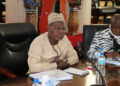
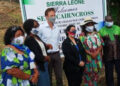
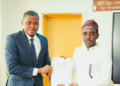
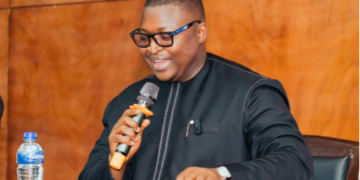
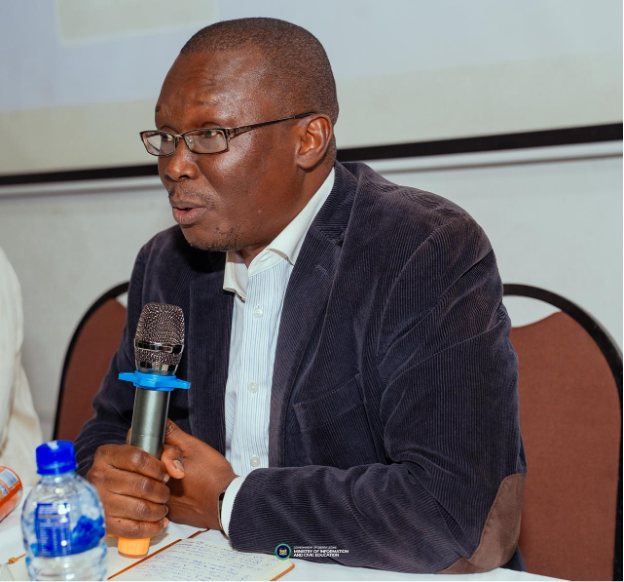
The Financial Secretary, Matthew Dingie, during a special press conference hosted by the Ministry of Information and Civic Education at the Lacs Villa on Cantonment Road in Freetown, on Friday 28th November, 2025, provided details of the 2026 National Budget, explaining what it means for the people of Sierra Leone.
Mr. Dingie said that every national budget consists of two core components: the revenue the country expects to generate on its own, and the resources donor partners commit to support.
He emphasized that the budget is a complex national document shaped by extensive consultations both domestically and internationally.
The 2026 Budget, he furthered, is based on the theme ‘Domestic Revenue Mobilization’. Reflecting on the global decline in external aid, especially for low-income countries, he warned that “Aid is slowing down globally. This means we must look within, harness our own resources, and support our own development programmes”
He stressed that the 2026 Budget follows President Bio’s directive for a “Pro-People Budget”, one that responds directly to the needs and priorities of Sierra Leoneans. The National Development Plan, he noted, played a major role in shaping the allocations and priorities within this year’s budget.
Highlighting key areas of investment, the Financial Secretary reaffirmed that the budget strongly supports the Feed Salone initiative, the Government’s flagship programme for food security and agricultural transformation.
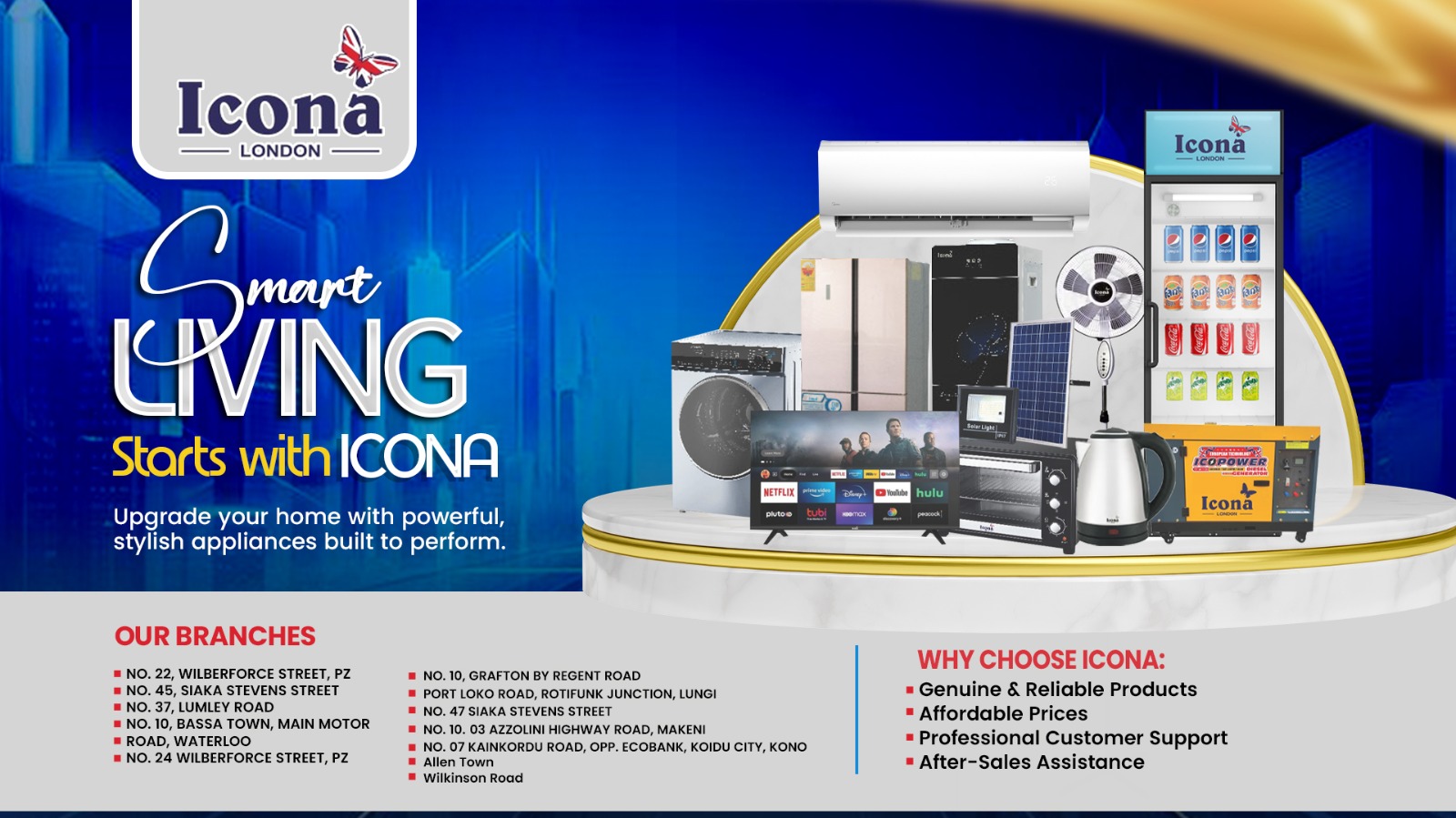
Mr. Dingie also outlined significant provisions in the energy sector, particularly the Government’s push for renewable energy. He announced that all solar equipment and LPG gas canisters are now zero-rated for import tax, ensuring that clean, reliable, and affordable energy becomes more accessible to citizens.
In supporting local industry, he noted that government incentives have already led to the expansion of domestic production of essential commodities such as cooking oil, eggs, tomato paste, and sardines etc.
“Almost 50–60% of condiments used daily are now produced locally. To encourage further growth of local manufacturing, importation of these same goods now attracts a 35% tax, a measure designed to boost domestic industries and create jobs contributing directly to the 500,000 youth jobs targeted under the Big Five agenda”.
On technology and innovation, Mr. Dingie highlighted incentives designed to accelerate Sierra Leone’s digital transformation. These include support to Felei Tech City in Bo, enabling technology start-ups and strengthening the digital economy as part of broader youth empowerment efforts.
On education and social protection, the Financial Secretary stated continued expansion of the School Feeding Programme, with an estimated $50 million allocated for 2026. The Government will also maintain existing subsidies that support schools and learners across the country.
Mr. Dingie in his closing expressed that the 2026 “Pro-People Budget” is designed to protect vulnerable populations, stimulate economic growth, and ensure that national development is citizen-centred and sustainable.