




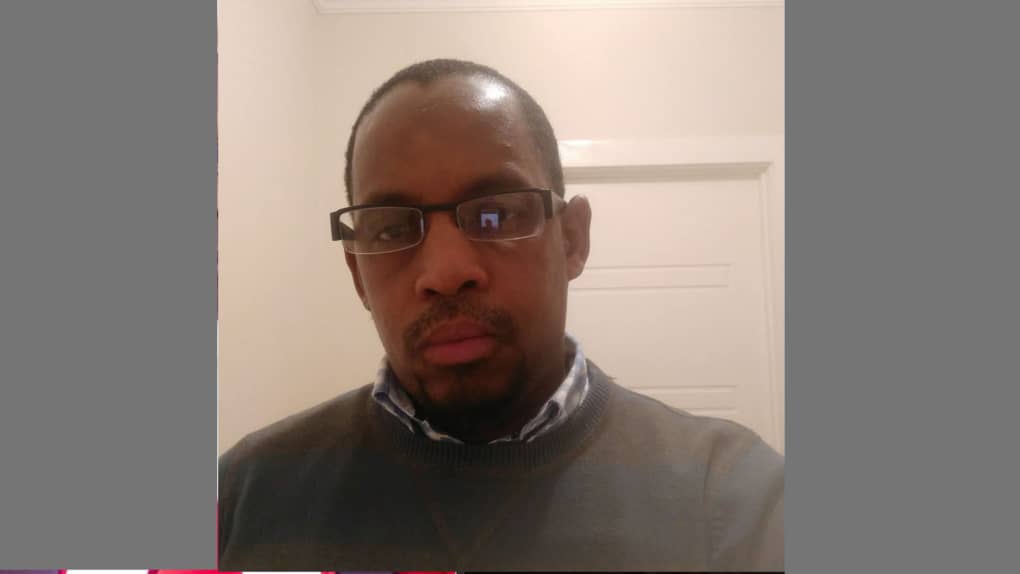
By Alpha Amadu Jalloh
Pulor, Felitare eh Gandal. These words capture the core identity of the Fula people: strength, blessings, wisdom and a proud inheritance of resilience. The Fula identity is not accidental. It is shaped by history, refined by culture and maintained by a moral code that has carried our people across deserts, mountains, cattle routes, marketplaces and modern cities. Yet for all the gifts bestowed upon us as a people, one uncomfortable truth continues to shadow our progress, especially across diverse Fulbe communities around the world: the Fula are often their own greatest obstacle to unity, influence and long-term collective success.
To speak of the Pulor is to speak of discipline, dignity and an internal compass that guides behaviour. The Fula moral code, munyal and ndemal, forms the backbone of our identity. These values have produced generations of scholars, reformers and leaders whose influence transcended borders. The Fula empires of Futa Jallon and Futa Toro were not built on force alone but on scholarship, Islamic jurisprudence, order and moral clarity. Leadership was rooted in responsibility, not noise.
Education is one of our greatest blessings. In the traditional Fula household, knowledge is not a luxury but a responsibility. A child’s worth is tied to learning, discipline and good character. From the humble Quranic schools of the villages to the modern universities of Europe, America and the Middle East, the Fulbe have excelled academically with unmatched determination. This commitment has produced doctors, engineers, professors, business magnates and political thinkers who influence discourse across West Africa and beyond.
The Pulor is also known for enterprise. From livestock management to trade, agriculture, textiles, energy and technology, the business instinct of the Fula is deeply embedded in our DNA. Wherever the Fulbe establish themselves, the marketplace grows. Their presence brings opportunity, stability and interdependence. In many countries, the Fula remain central to economic life and community development.
But the question remains: if we are blessed with population, education, commerce, discipline, cultural dignity and global networks, why do Fulbe communities everywhere still struggle to achieve collective strength, political voice and sustained unity?
The answer lies within. The biggest problem facing the Fulbe is not external oppression. It is internal weakness in the form of greed, disunity, superiority complex, jealousy and overconfidence.
Disunity is the first and most dangerous enemy of the Pulor. Every Fula wants to be a leader. Every family claims the oldest scholars. Every region insists it should speak first. We cannot organise without competing. We cannot compete without destroying. Meetings collapse over ego. Associations fracture over positions. Social groups break apart because individuals prioritise their ambitions over the collective interest. Meanwhile, other communities rally around unity as a strategic necessity. They protect their own to secure their influence. Among the Fulbe, unity remains elusive because personal pride often outweighs communal responsibility.
A superiority complex further complicates this problem. There is a fine line between dignity and arrogance. Our ancestors instilled dignity as a shield against shame, dishonesty and moral failure. This is good. But somewhere along the way, some Fulbe began to interpret dignity as entitlement. Instead of humility, we project superiority. Instead of building alliances, we isolate ourselves. Influence in modern society is built through cooperation, not isolation. Respect is earned through strategic relationships, not assumed through heritage alone.
Greed also eats at our foundations. In communities across West Africa, diaspora cities and transnational networks, progress stalls when individuals pursue self-interest above communal benefit. When those entrusted with leadership focus on personal gain, the entire community suffers. This behaviour weakens our negotiating power, our credibility and our unity.
Jealousy among ourselves is another stumbling block. A Pullo’s success easily triggers another’s bitterness. When a Fula rises, instead of supporting him or her, some undermine out of fear that their success will overshadow others. This mentality destroys progress. Other groups invest resources in elevating their own. The Fulbe often invest energy in tearing their own down.
Then comes overconfidence. Many Fulbe assume that cultural pride, education or economic strength automatically translate into influence. But influence is not inherited. It is built. Numbers do not negotiate. Pride does not organise. Education does not automatically create leadership. The communities that rise are those that unite, organise and build institutions. Overconfidence blinds the Fulbe to the need for humility, planning and collective discipline.
Yet despite these challenges, the Fulbe remain one of the most blessed peoples in the world. We have global presence, intellectual heritage, economic influence, religious leadership and cultural dignity. These blessings can form the foundation of genuine influence if we learn to unite and overcome internal weaknesses.
What the Fulbe need today is a new mindset: unity anchored in humility, strategy and collective vision. Leadership must be based on competence, not lineage. Education must translate into social intelligence, not arrogance. Wealth must be invested in community institutions, not personal empires. Young people must be taught that character is more important than titles. And across villages, towns, cities and diaspora networks, the Fulbe must recognise that strength without unity is wasted strength.
Pulor, Felitare eh Gandal are reminders that the blessings of the Fulbe are not accidental. They demand responsibility. They demand unity. They demand humility. They demand strategy. And they demand a new generation of Fulbe who understand that our ancestors gave us everything except one thing: the ability to work together.
The Fulbe have the strength.
The Fulbe have the education.
The Fulbe have the determination.
The Fulbe have the blessings.
What we lack and must urgently restore is unity.